

Table of Contents
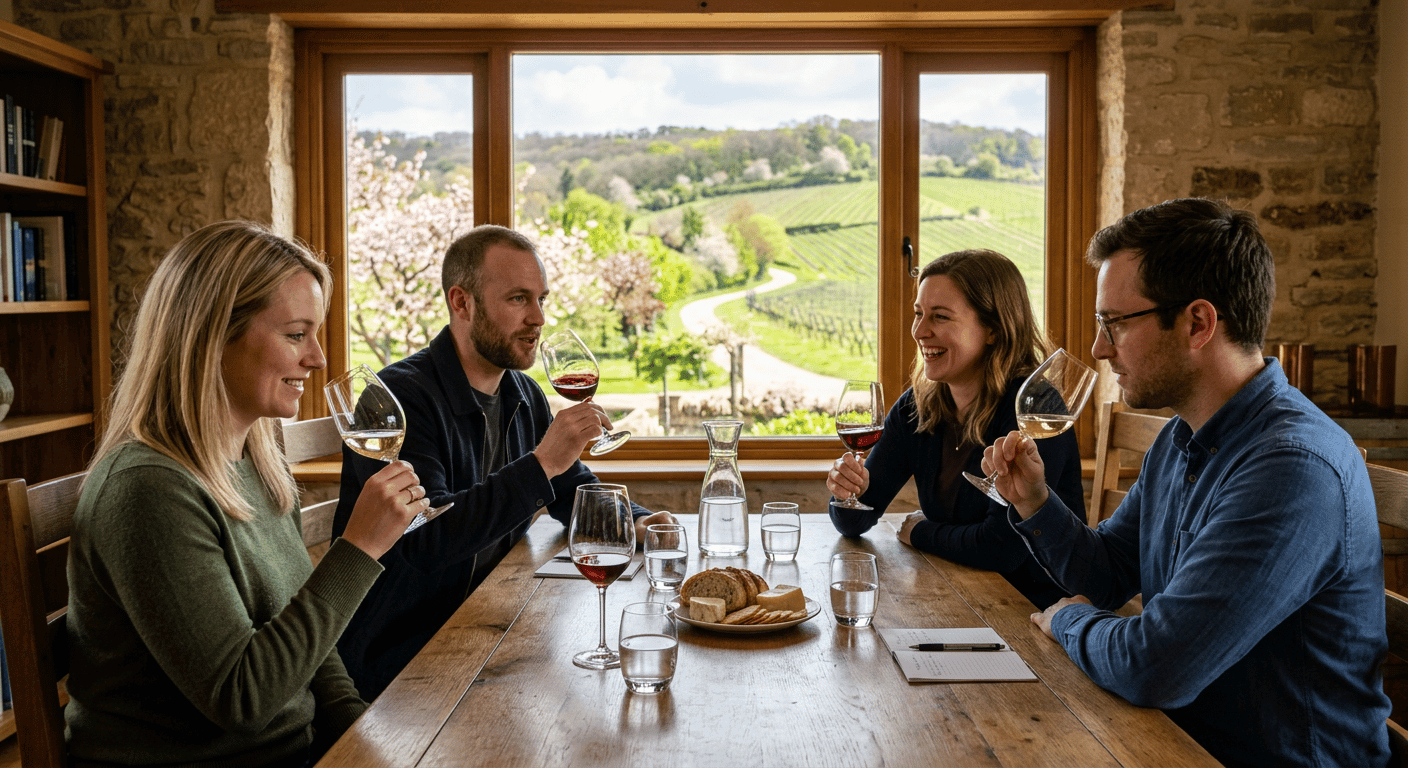
If you've ever felt overwhelmed by a wine list or unsure how to truly appreciate a glass beyond just sipping it, you're in good company. Wine tasting can feel intimidating at first, but it's really about slowing down, engaging your senses, and discovering the subtle differences in flavor, aroma, and texture that make each bottle unique.
This beginner-friendly wine tasting guide walks you through the essential steps to taste wine properly. By the end, you'll feel more confident unlocking flavors—whether you're enjoying a bottle yourself or selecting one as a thoughtful gift for friends, work colleagues, or loved ones.
Step 1: Visual Inspection – Look at the Wine
Start by holding your glass against a white background (a napkin or tablecloth works perfectly) to observe the color and clarity.
- Color reveals clues about the wine's style and age. A young white wine often shows pale straw or lemon hues, sometimes with green tinges. A richer red might appear deep ruby or garnet.
- Clarity and brightness matter—clear, vibrant wine usually signals good quality and careful handling.
- Give the glass a gentle swirl. This aerates the wine and releases aromas while creating "legs" (those streaks on the side of the glass), which can hint at body and alcohol level.
This quick visual step sets the stage and builds anticipation.
Step 2: Sniffing – Unlock Aromas First
Your nose is your most powerful tool for discovering wine flavors—often more revealing than taste alone.
Bring the glass to your nose and take a few short, quick sniffs (don't overfill your nostrils). Then try a deeper inhale.
Look for layers:
- Fruit notes (think apple, citrus, berry, or stone fruit)
- Floral or herbal hints
- Spices, vanilla, or toasty oak from aging
- Earthy or mineral undertones in some reds
For example, many classic white wines offer bright aromas of green apple, citrus, and subtle vanilla. Richer reds frequently bring dark berry, plum, cherry, and touches of coffee or spice. Take your time—aromas evolve as the wine opens up.
Step 3: Sipping – Taste with Intention
Now the fun part: take a small sip and let the wine coat your whole mouth before swallowing (or spitting if you're tasting multiple wines).
Pay attention to these key elements that create the wine's structure and mouthfeel:
- Sweetness — Dry (no noticeable sugar), off-dry, or sweet?
- Acidity — Does it feel crisp, lively, and refreshing (common in many whites)?
- Tannins — That drying, grippy sensation (more prominent in reds; can range from soft and smooth to firm and structured)?
- Alcohol — Light and easy, or warm and full-bodied?
- Body — Light and delicate, medium, or rich and weighty?
After swallowing, notice the finish—the flavors that linger. A long, pleasant finish is often a sign of quality.
Practice with Different Styles
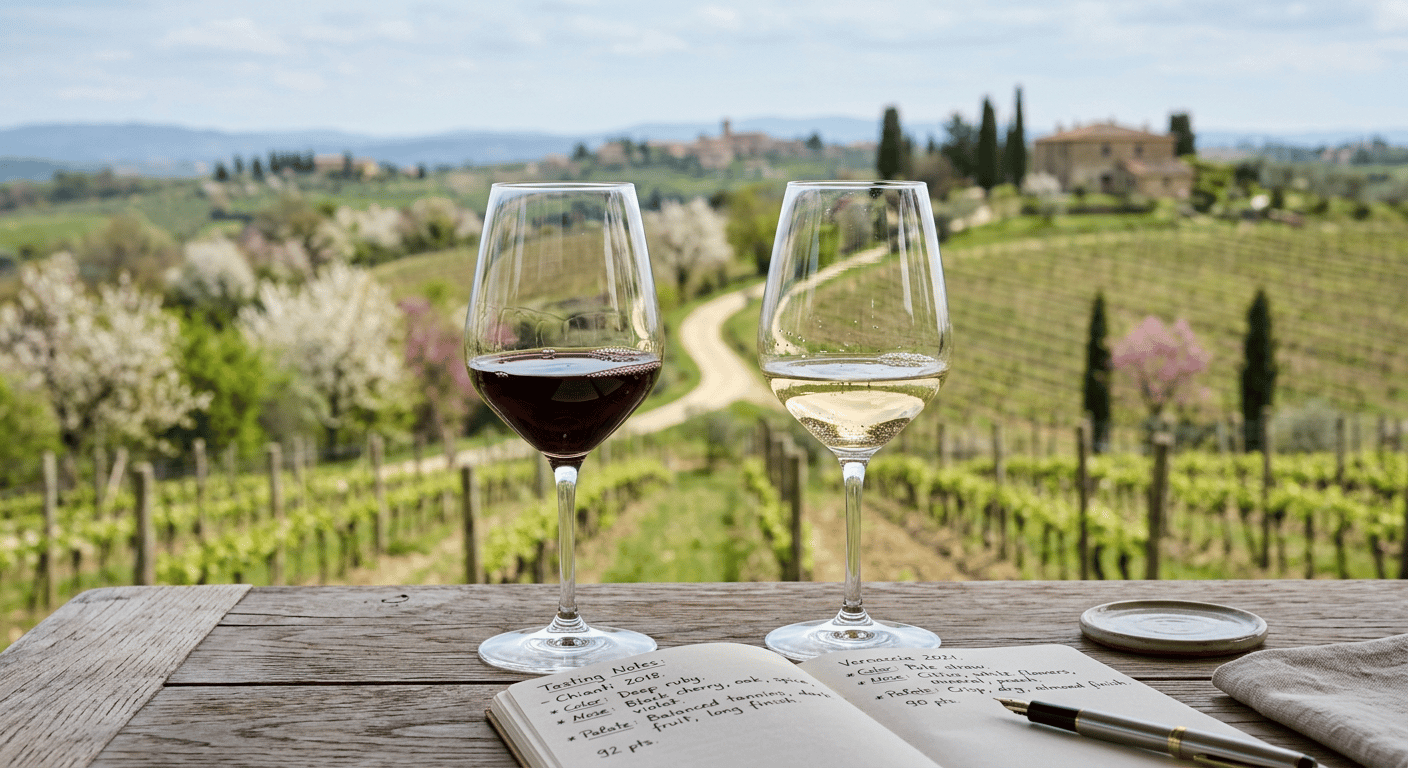
To build your palate quickly, compare contrasting wines side by side:
- Start with a crisp white (e.g., a Napa Valley Chardonnay or Sauvignon Blanc style) to experience fresh fruit and bright acidity.
- Move to a fuller red (e.g., Cabernet Sauvignon or a proprietary red blend) for deeper fruit, tannins, and complexity.
Many gift sets include both reds and whites, making this an easy, enjoyable way to explore differences at home or share during a friends gathering or client thank-you.
Many gift sets include both reds and whites, making this an easy, enjoyable way to explore differences at home or share during a team gathering or client thank-you.
Want to go learn more? Check out our related guide: "Red vs White Wines: Key Differences to Elevate Your Pairing Choices" for more on how production, structure, and tannins shape the perfect match for any occasion or gift.
Quick Tips to Elevate Your Wine Tasting Experience
- Use a clean, tulip-shaped glass to concentrate aromas.
- Avoid strong scents (perfume, coffee, garlic) that can interfere.
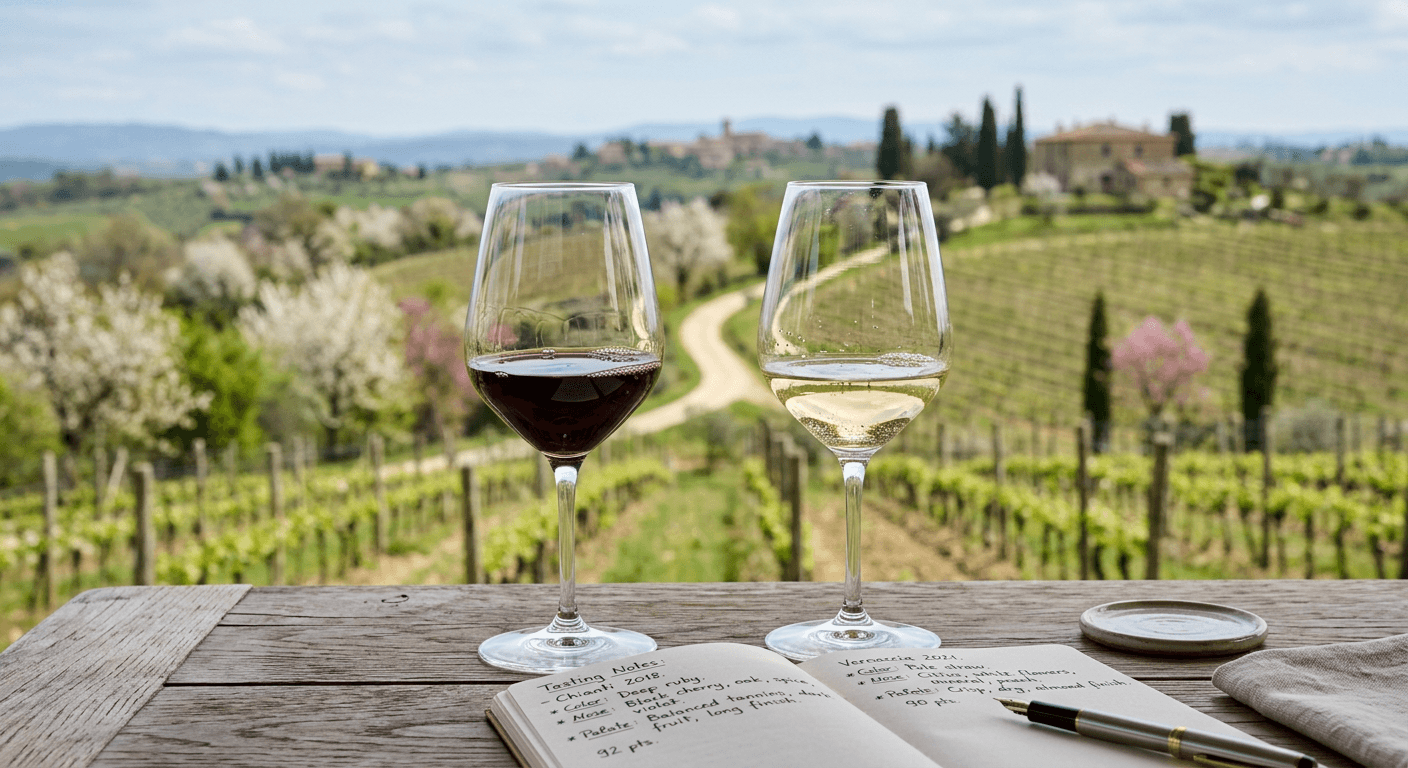
- Take short notes—what you smell, taste, and feel—to track what you enjoy.
- Practice regularly—the more you taste, the sharper your senses become.
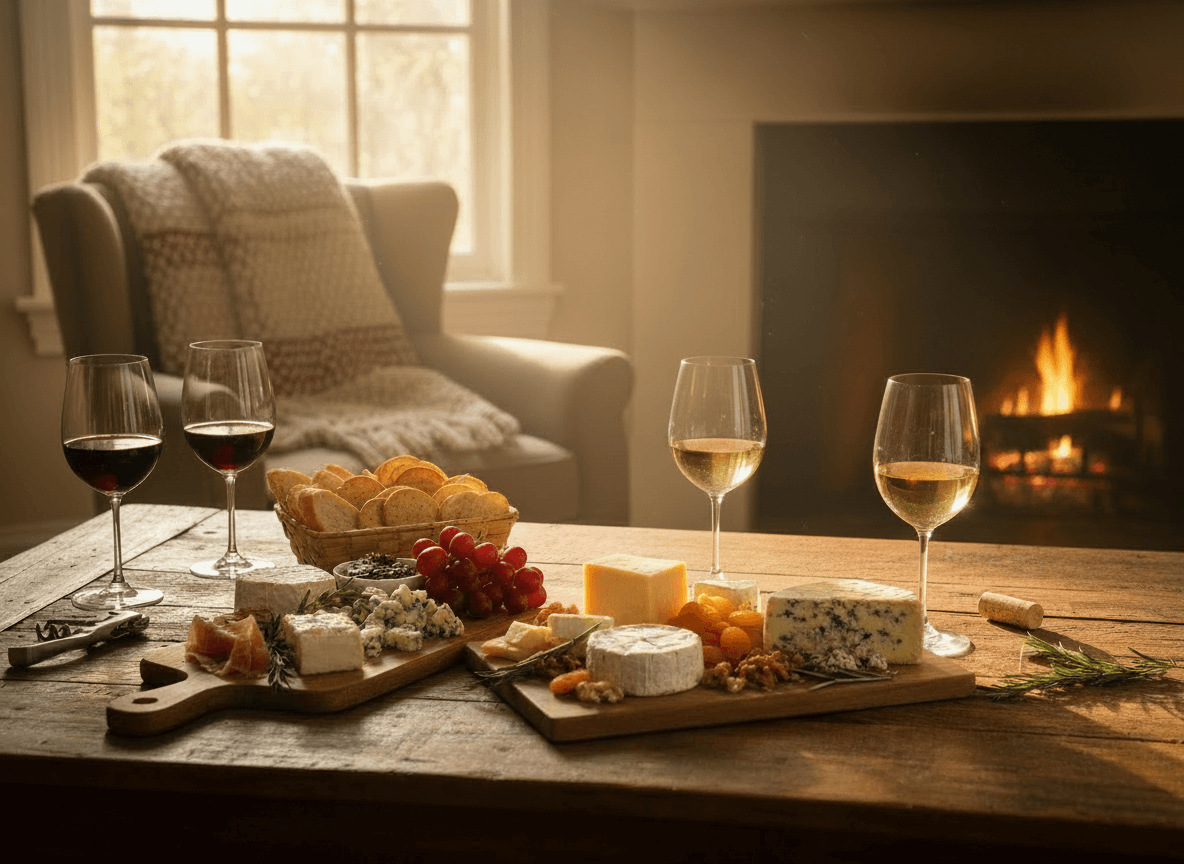
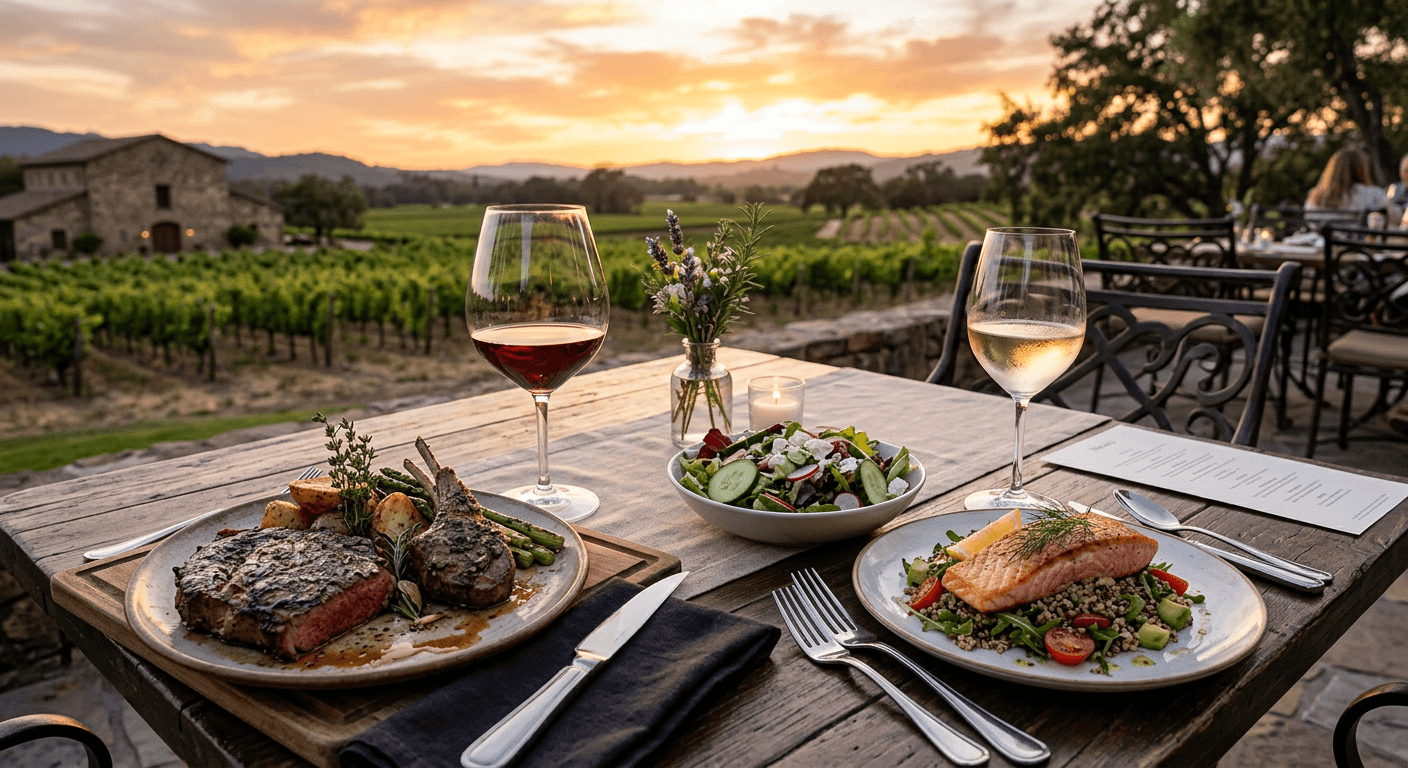
- Try food pairings: notice how cheese, chocolate, or grilled meats change the wine's flavors (great for holiday entertaining or corporate events).
Building Confidence, One Glass at a Time
Wine tasting is a personal journey, not a test. There's no "right" answer—your preferences are what matter. The goal is enjoyment and discovery.
Next time you open a bottle (or gift one), take a moment to follow these steps: look, swirl, sniff, sip, and savor. You'll transform a simple pour into a rewarding experience—perfect for toasting successes, building relationships, or simply unwinding.
Ready to explore? Browse our curated wine gift baskets and sets featuring premium Napa Valley selections that are ideal for sharing and savoring. Cheers to unlocking new flavors!