


Table of Contents
Choosing between the two most common ones, red vs white wine can feel like stepping into a world of endless flavors, textures, and possibilities. Whether you're curating a gift for a client, planning a team gathering, hosting at home, or simply exploring what you enjoy, understanding the core differences helps you select with confidence.
This guide breaks down the main contrasts—production, structure, tannins, and food pairings—so you can make smarter choices. Many of our curated gift sets feature both reds and whites, giving you versatile options that work for a range of occasions and tastes.
Production: Why Color and Style Differ
The fundamental difference starts in the winemaking process:
- Red wines are fermented with grape skins, seeds, and sometimes stems. This contact extracts color, tannins, and deeper flavors—resulting in bold, rich profiles.
- White wines are typically made without skin contact (juice-only fermentation), leading to lighter, brighter, and more refreshing results.
(Some rosés or orange wines bridge the gap, but classics follow these paths.)
This core step shapes everything from appearance to how the wine feels on the palate.
Structure and Body: How the Wine Feels
About the red wine vs white wine differences their structure refers to body and mouthfeel—the weight and sensation in your mouth.
- Red wines often have fuller body: richer, more coating, and substantial. They're great for hearty moments.
- White wines tend to be lighter and crisper: refreshing, palate-cleansing, and easy-drinking.
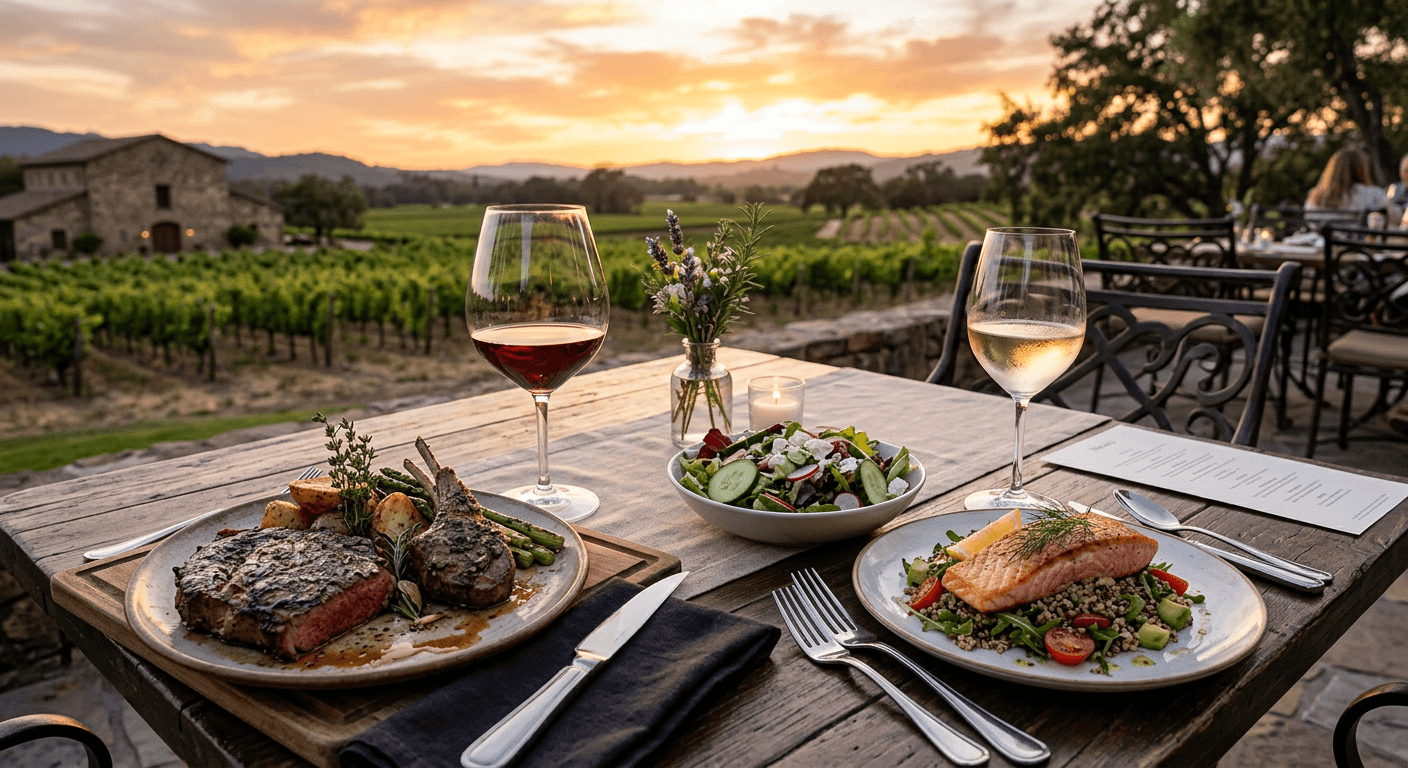
Match the structure to the occasion or meal—for example, a fuller red suits a robust dinner, while a crisp white elevates lighter fare.

Tannins: The Key to Texture and Aging
Tannins (natural compounds from grape skins/seeds) create that drying, grippy sensation.
- Red wines generally have higher tannins: adding complexity, structure, and aging potential. They bring depth and boldness.
- White wines have little to no tannins: smoother, fruit-forward, and more straightforward.
When choosing between red vs white wine, what matters is if you love astringency and layered flavors, lean red. For softer, brighter profiles, whites deliver.
Food Pairings: Simple Rules for Success
Pairing enhances both the wine and the food. Use these guidelines:
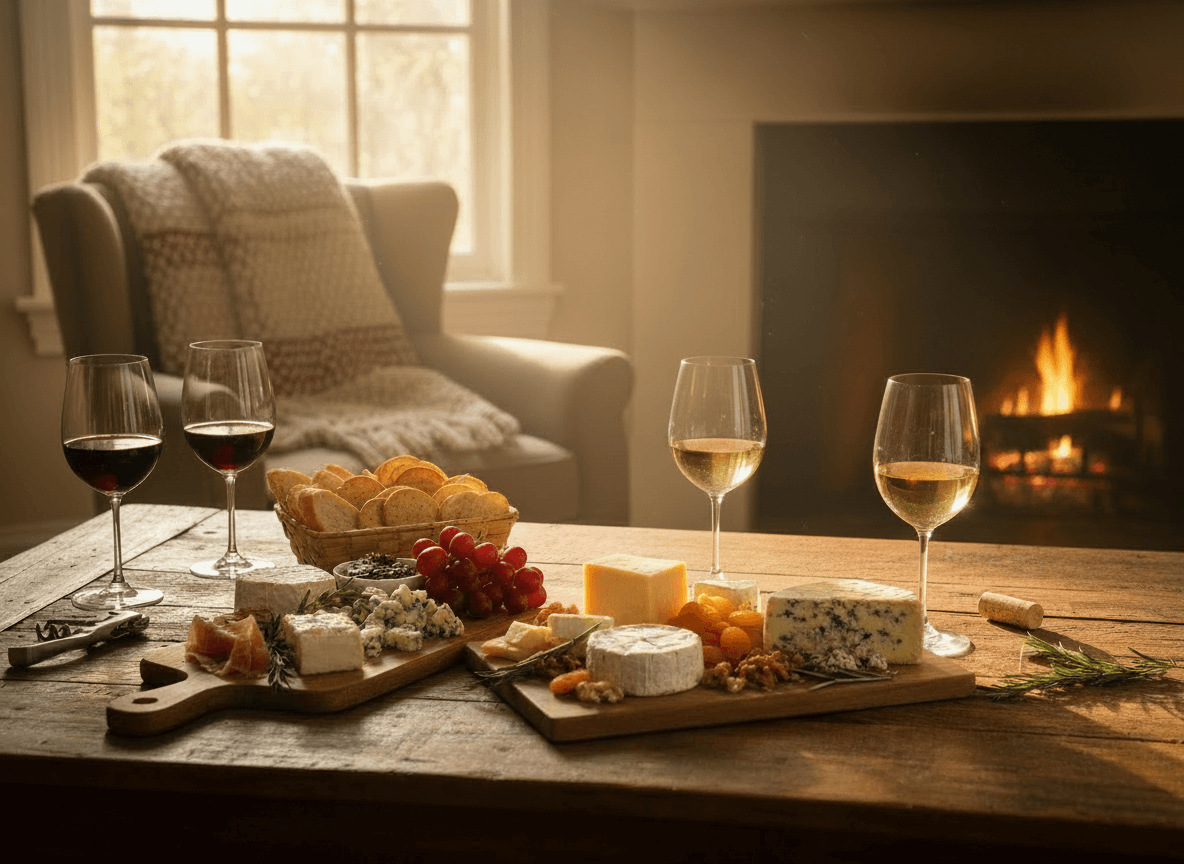
- Red wines pair beautifully with rich, flavorful dishes: steak, lamb, grilled meats, aged cheeses, or hearty pastas. Tannins cut through fat and protein for balance.
- White wines excel with lighter options: seafood, chicken, salads, fresh veggies, soft cheeses, or creamy sauces. Acidity refreshes and complements subtle flavors.
Not sure? Opt for versatile picks like balanced red blends (dark berry, plum, subtle spice) or classic whites (crisp apple/citrus with bright acidity)—they bridge many menus and make excellent gifts.
Ever wonder why certain meals just taste better with the right wine? It's science meeting enjoyment—no expert credentials required. A few basics can turn everyday moments (or thoughtful gifts) into something memorable.
🥂 Dive deeper: Check our blog on "The Basics of Wine Tasting: A Beginner's Guide" for more on appreciating every sip.
Tips for Choosing Red or White Wine with Confidence
- Align body with food weight: heavier dishes → fuller reds; lighter → crisp whites.
- Factor in tannins: bold and grippy for rich meals; smooth for subtle ones.
- Go versatile for mixed groups or uncertainty—many gift baskets include both.
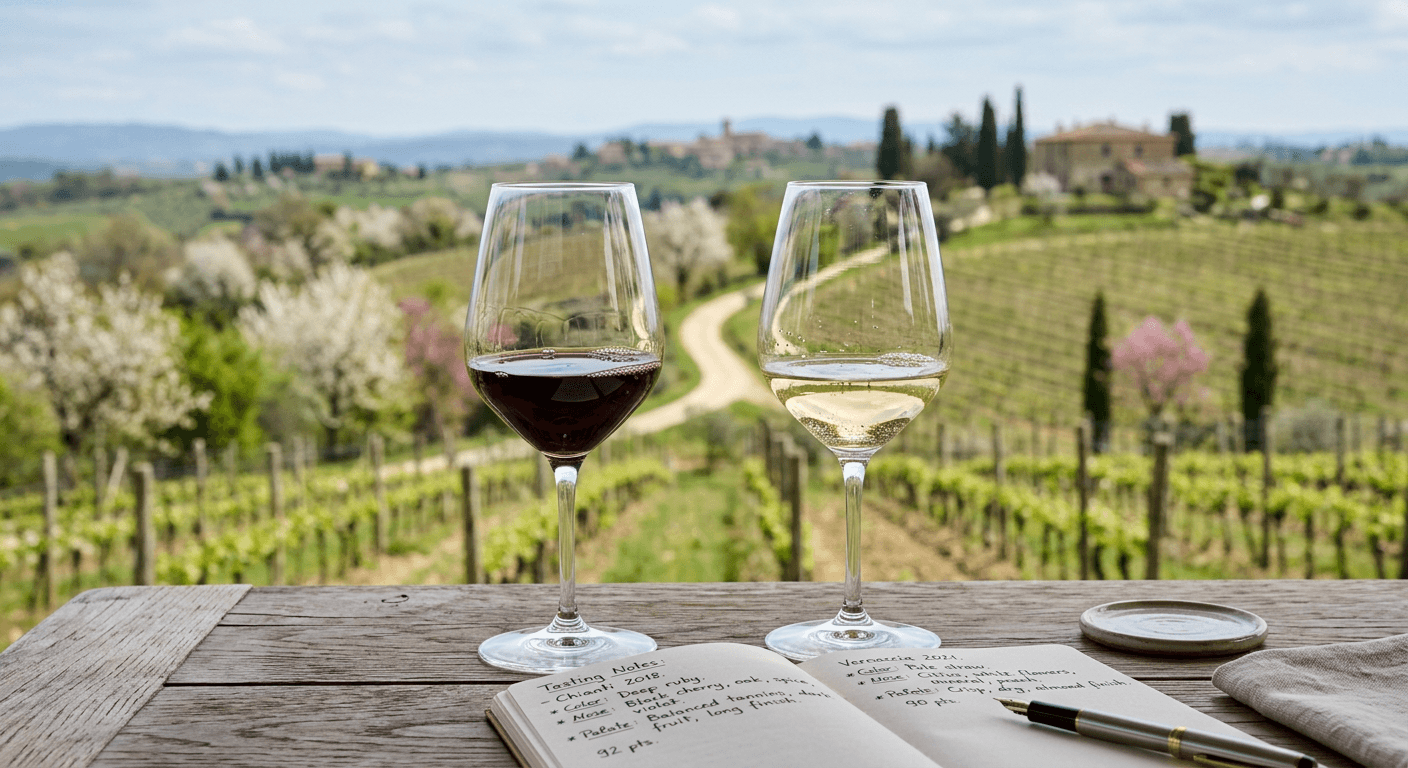
- Experiment: Taste side-by-side to discover preferences (great for personal enjoyment or sharing with recipients).
Mastering these differences elevates any experience—whether selecting a premium gift basket for client appreciation, employee recognition, or a personal treat. Our selections feature award-winning Napa Valley styles in thoughtful presentations, ready to delight.
Ready to explore? Browse our red & white gift sets and charcuterie boards—perfect for pairing, sharing, and celebrating.
Cheers to confident choices! 🍷